
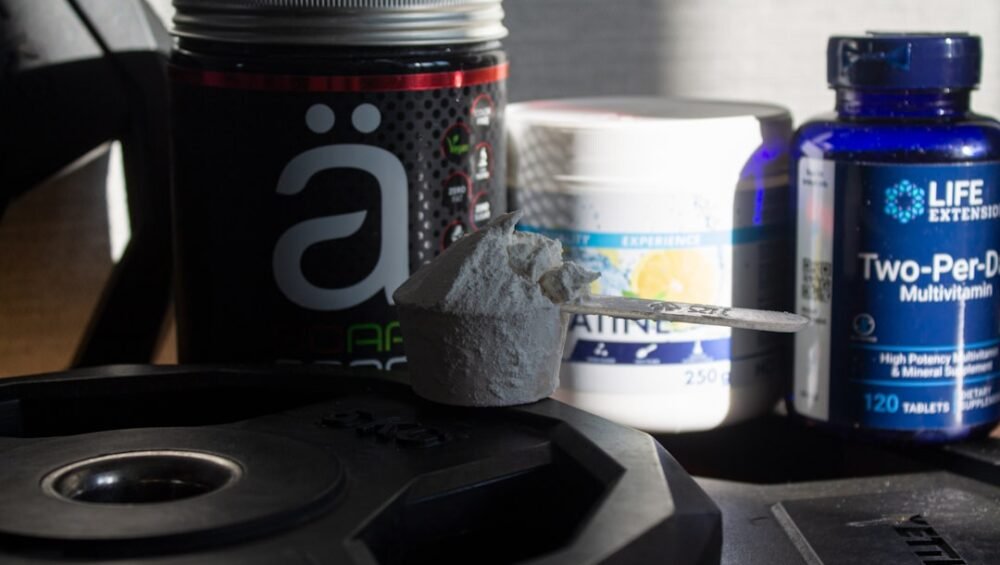
Creatine is a naturally occurring compound found in small amounts in certain foods, particularly animal products like meat and fish, and is also synthesized in the human body from amino acids, primarily in the liver, kidneys, and pancreas. It plays a crucial role in energy metabolism, particularly in the form of phosphocreatine, which serves as a rapid source of energy for high-intensity activities. When muscles contract during exercise, they utilize adenosine triphosphate (ATP) for energy.
However, ATP stores are limited and deplete quickly during intense physical activity. This is where creatine comes into play; it donates a phosphate group to adenosine diphosphate (ADP) to regenerate ATP, thus providing a quick energy boost that can enhance performance during short bursts of activity. The mechanism of action of creatine is not limited to energy production alone.

It also influences cellular hydration and muscle cell signaling pathways. By increasing the water content within muscle cells, creatine can promote an anabolic environment conducive to muscle growth. Additionally, creatine has been shown to affect the expression of genes involved in muscle hypertrophy and repair, further contributing to its reputation as a powerful ergogenic aid.
The combination of these physiological effects makes creatine a popular supplement among athletes and fitness enthusiasts seeking to improve their performance and recovery.
Key Takeaways
- Creatine is a naturally occurring compound in the body that helps produce energy during high-intensity exercise.
- Creatine supplementation can improve strength, power, and endurance in athletes, leading to enhanced athletic performance.
- The science behind creatine lies in its ability to increase the production of adenosine triphosphate (ATP), the primary energy source for muscle contractions.
- Proper creatine loading and maintenance involves an initial phase of higher dosage followed by a maintenance phase to maximize its effectiveness.
- While creatine supplementation is generally safe, potential side effects may include dehydration, muscle cramps, and gastrointestinal issues.
The Benefits of Creatine Supplementation for Athletes: Improving Strength, Power, and Endurance
Athletes across various disciplines have turned to creatine supplementation to enhance their performance metrics significantly. One of the most well-documented benefits of creatine is its ability to improve strength and power output. Research has consistently shown that individuals who supplement with creatine can lift heavier weights and perform more repetitions during resistance training compared to those who do not.
This increase in strength can be attributed to the enhanced availability of ATP during high-intensity efforts, allowing athletes to push their limits further than they could without supplementation. In addition to strength gains, creatine has been shown to improve performance in high-intensity interval training (HIIT) and sprinting activities. For instance, studies have indicated that athletes engaged in repeated sprint bouts experience less fatigue and maintain higher power outputs when supplemented with creatine.
This is particularly beneficial for sports that require short bursts of maximal effort interspersed with brief recovery periods, such as soccer, basketball, and track events. Furthermore, while creatine is often associated with anaerobic performance, emerging evidence suggests that it may also have a positive impact on endurance activities by enhancing recovery between bouts of high-intensity exercise.
The Science Behind Creatine: How Does it Enhance Athletic Performance?

The enhancement of athletic performance through creatine supplementation can be understood through several interconnected physiological mechanisms. At the core of its efficacy is the role of phosphocreatine in ATP regeneration. During high-intensity exercise, the demand for ATP increases dramatically, and phosphocreatine serves as a rapid source of phosphate to replenish ATP levels.
This replenishment allows athletes to sustain higher levels of exertion for longer periods, ultimately leading to improved performance outcomes. Moreover, creatine supplementation has been shown to increase muscle mass through several pathways. One significant mechanism involves the stimulation of satellite cells, which are essential for muscle repair and growth.
When muscle fibers undergo stress during exercise, satellite cells are activated and proliferate, leading to muscle hypertrophy. Creatine also influences the mTOR pathway, a critical regulator of cell growth and protein synthesis. By activating this pathway, creatine promotes an environment conducive to muscle growth and recovery.
Additionally, creatine may enhance glycogen storage within muscles, providing an additional energy reserve that can be tapped into during prolonged exercise.
Creatine Loading and Maintenance: How to Properly Use Creatine for Maximum Effectiveness
| Phase | Dosage | Duration |
|---|---|---|
| Loading Phase | 20 grams per day | 5-7 days |
| Maintenance Phase | 3-5 grams per day | Ongoing |
| Hydration | Drink plenty of water | Throughout |
| Timing | Take before or after workout | – |
To maximize the benefits of creatine supplementation, understanding the concepts of loading and maintenance phases is essential. The loading phase typically involves consuming a higher dose of creatine—usually around 20 grams per day—divided into four smaller doses over five to seven days. This approach saturates the muscles with creatine more quickly than if one were to take a lower dose from the outset.
Following this initial phase, athletes transition into a maintenance phase where they consume a lower daily dose, typically around 3 to 5 grams per day, to maintain elevated muscle creatine levels. It is important for athletes to consider their individual needs when determining their supplementation strategy. Factors such as body weight, training intensity, and specific performance goals can influence the optimal dosage and duration of both loading and maintenance phases.
Additionally, timing can play a role; some research suggests that taking creatine post-workout may enhance its uptake by muscle cells due to increased insulin sensitivity following exercise. Combining creatine with carbohydrates or protein may further enhance its effectiveness by promoting insulin release, which facilitates greater absorption into muscle tissue.
Potential Side Effects and Safety Concerns of Creatine Supplementation
While creatine is generally considered safe for most individuals when used appropriately, some potential side effects warrant consideration. The most commonly reported side effect is gastrointestinal discomfort, which can manifest as bloating, cramping, or diarrhea, particularly during the loading phase when higher doses are consumed. To mitigate these effects, it may be beneficial for individuals to start with a lower dose and gradually increase it or opt for a maintenance dose without an initial loading phase.
Another concern often raised about creatine supplementation is its impact on kidney function. While there have been anecdotal reports linking creatine use to kidney issues, extensive research has not substantiated these claims in healthy individuals. However, those with pre-existing kidney conditions should exercise caution and consult with a healthcare professional before starting supplementation.
Additionally, hydration is crucial when using creatine; since it draws water into muscle cells, adequate fluid intake is necessary to prevent dehydration and support overall health.
Creatine and Different Sports: How Does Creatine Benefit Athletes in Various Disciplines?

Creatine supplementation has been shown to benefit athletes across a wide range of sports due to its versatile effects on performance. In strength sports such as powerlifting and bodybuilding, creatine is often regarded as a staple supplement because it enhances strength gains and promotes muscle hypertrophy. Athletes in these disciplines frequently report improved lifting capacity and faster recovery between sets when using creatine.
In team sports like soccer and basketball, where explosive movements and repeated sprints are common, creatine can provide a competitive edge by improving power output and reducing fatigue during high-intensity efforts. Studies have demonstrated that soccer players who supplement with creatine can maintain sprint performance better throughout a match compared to those who do not use it. Similarly, basketball players may experience enhanced vertical jump performance and agility when incorporating creatine into their training regimen.
Endurance athletes have also begun exploring the potential benefits of creatine supplementation. While traditionally viewed as an anaerobic enhancer, recent research suggests that creatine may aid in recovery between intense training sessions or races by replenishing glycogen stores more effectively. This could lead to improved overall training volume and performance over time.
Combining Creatine with Other Supplements and Nutritional Strategies for Optimal Performance
To maximize the benefits of creatine supplementation, many athletes explore combining it with other supplements or nutritional strategies tailored to their specific goals. One common approach is pairing creatine with carbohydrates or protein post-workout. The insulin response triggered by carbohydrate consumption can enhance the uptake of creatine into muscle cells, thereby increasing its effectiveness.
Some studies suggest that combining creatine with whey protein may further amplify muscle protein synthesis following resistance training. Additionally, certain amino acids like beta-alanine have gained popularity among athletes looking to enhance their performance alongside creatine. Beta-alanine works by increasing carnosine levels in muscles, which helps buffer acid buildup during high-intensity exercise.
When used together with creatine, these two supplements may provide synergistic effects that improve overall performance during strenuous workouts. Hydration strategies are also critical when using creatine; ensuring adequate fluid intake supports optimal muscle function and recovery. Athletes should consider their individual sweat rates and adjust their hydration strategies accordingly while using creatine to prevent dehydration-related issues.
The Future of Creatine Research: What New Discoveries and Applications are on the Horizon?
As research on creatine continues to evolve, new discoveries are emerging that may expand its applications beyond traditional athletic performance enhancement. Recent studies have begun exploring the potential neuroprotective effects of creatine supplementation in various neurological conditions such as Parkinson’s disease and amyotrophic lateral sclerosis (ALS). Preliminary findings suggest that creatine may help protect against neuronal damage by supporting cellular energy metabolism.
Furthermore, researchers are investigating the role of creatine in aging populations. As individuals age, muscle mass naturally declines—a condition known as sarcopenia—which can lead to decreased strength and mobility. Some studies indicate that creatine supplementation may help mitigate age-related muscle loss by promoting muscle protein synthesis and enhancing physical function in older adults.
The exploration of different forms of creatine is also an area of active research; while creatine monohydrate remains the most studied form due to its proven efficacy and safety profile, alternative formulations such as buffered creatine or creatine ethyl ester are being examined for their potential benefits in terms of absorption rates or reduced gastrointestinal side effects. As our understanding of creatine deepens through ongoing research efforts, it is likely that new applications will emerge that could benefit not only athletes but also individuals seeking improved health outcomes across various populations.
Creatine is a popular supplement among athletes and fitness enthusiasts due to its potential to enhance performance, particularly in high-intensity sports. It is known to improve strength, increase lean muscle mass, and aid in quicker recovery during exercise. For those interested in exploring more about the role of creatine in sports performance, a related article can be found on the PXloud blog. This article delves into the science behind creatine supplementation and its effects on athletic performance. You can read more about it by visiting the PXloud blog.

- Do You Need to Cycle Creatine? - August 18, 2026
- Maximizing Performance: The Role of Creatine in Sports - August 18, 2026
- The Science of Creatine and Muscle Building - August 18, 2026