
Free standard shipping for orders over $65.
Photo Creatine cycling

Do You Need to Cycle Creatine?

Creatine is a naturally occurring compound found in small amounts in certain foods and synthesized by the body from amino acids, primarily in the liver, kidneys, and pancreas. It is composed of three amino acids: arginine, glycine, and methionine. The majority of creatine in the body is stored in the muscles, where it plays a crucial role in the production of adenosine triphosphate (ATP), the primary energy carrier in cells.

When engaging in high-intensity exercise, such as sprinting or weightlifting, the demand for ATP increases significantly. Creatine helps replenish ATP levels more rapidly, allowing for improved performance during short bursts of intense activity. The mechanism by which creatine enhances athletic performance is primarily through its ability to increase phosphocreatine stores in the muscles.

Phosphocreatine serves as a readily available energy source that can quickly regenerate ATP during high-energy demands. This rapid replenishment of ATP can lead to increased strength, power output, and overall exercise capacity. Additionally, creatine has been shown to promote cellular hydration by drawing water into muscle cells, which may contribute to muscle growth and recovery.

This multifaceted approach to energy production and muscle function makes creatine a popular supplement among athletes and fitness enthusiasts alike.

Key Takeaways

  • Creatine is a naturally occurring compound in the body that helps produce energy during high-intensity activities.
  • Creatine supplementation can improve muscle strength, power, and lean body mass, making it a popular choice for athletes and fitness enthusiasts.
  • Potential side effects of creatine supplementation may include gastrointestinal discomfort and dehydration, but these can be minimized with proper hydration and dosage.
  • Creatine cycling involves periods of supplementation and non-supplementation to maximize its benefits and minimize potential side effects.
  • While some experts recommend cycling creatine to prevent desensitization, others argue that it may not be necessary for everyone and that continuous supplementation can be effective for some individuals.

The Benefits of Creatine Supplementation

Improved Strength and Power Output

One of the most significant advantages of creatine supplementation is its ability to improve strength and power output during resistance training. Numerous studies have demonstrated that individuals who supplement with creatine can lift heavier weights and perform more repetitions compared to those who do not.

Enhanced Muscle Growth and Recovery

This increase in training volume can lead to greater muscle hypertrophy over time, making creatine an effective tool for those looking to build muscle mass. In addition to its performance benefits, creatine has been linked to enhanced recovery following intense exercise. Research indicates that creatine supplementation may reduce muscle soreness and inflammation, allowing athletes to train more frequently and with greater intensity.

Cognitive Function Enhancement

Furthermore, creatine has been shown to improve cognitive function in certain populations, particularly in tasks requiring short-term memory and quick decision-making. This cognitive enhancement may be particularly beneficial for athletes who need to maintain focus and mental clarity during competition.

Potential Side Effects of Creatine

doctor holding red stethoscope
Person in a white lab coat with arms crossed, holding a red stethoscope in one hand against a neutral background, portraying confidence and expertise—ideal for topics related to creatine supplementation or professional advice on safe creatine usage.

While creatine is generally considered safe for most individuals when taken at recommended doses, some potential side effects may arise. One of the most commonly reported side effects is gastrointestinal discomfort, which can manifest as bloating, cramping, or diarrhea. These symptoms are often associated with taking high doses of creatine or not adequately hydrating while supplementing.

To mitigate these effects, it is advisable to start with a lower dose and gradually increase it while ensuring sufficient fluid intake. Another concern that has been raised regarding creatine supplementation is its potential impact on kidney function. Some individuals worry that increased creatine levels could lead to kidney stress or damage, particularly in those with pre-existing kidney conditions.

However, research has consistently shown that creatine supplementation does not adversely affect kidney function in healthy individuals. It is essential for anyone considering creatine supplementation to consult with a healthcare professional, especially if they have underlying health issues or are taking medications that may interact with creatine.

The Science Behind Creatine Cycling

MetricsBefore CyclingDuring CyclingAfter Cycling
StrengthIncreasedMaintainedMaintained
EnduranceImprovedMaintainedMaintained
Muscle MassIncreasedMaintainedMaintained
Recovery TimeReducedMaintainedMaintained

Creatine cycling refers to the practice of alternating periods of creatine supplementation with periods of abstaining from the supplement. Proponents of this approach argue that cycling can help prevent the body from becoming desensitized to the effects of creatine, thereby maintaining its efficacy over time. The rationale behind this practice stems from the idea that continuous supplementation may lead to saturation of muscle creatine stores, potentially diminishing the benefits experienced by the user.

Research on creatine cycling is somewhat limited, but some studies suggest that cycling may not be necessary for everyone. The body’s ability to store creatine is influenced by various factors, including diet, exercise habits, and individual physiology. For many individuals, continuous supplementation can lead to sustained increases in muscle creatine levels without significant drawbacks.

However, those who choose to cycle may do so by following a pattern of loading phases—where higher doses are taken for a short period—followed by maintenance phases of lower doses.

Do You Need to Cycle Creatine?

The necessity of cycling creatine remains a topic of debate among fitness enthusiasts and researchers alike. For many users, continuous supplementation appears to be effective without any noticeable decline in performance or benefits over time. Studies have shown that maintaining elevated levels of muscle creatine can lead to consistent improvements in strength and exercise capacity without the need for cycling off the supplement.

However, some individuals may find that cycling helps them manage their supplementation routine better or aligns with their personal preferences regarding supplement use. For example, athletes preparing for specific competitions might choose to cycle off creatine as they taper their training or adjust their diet leading up to an event. Ultimately, whether or not one needs to cycle creatine depends on individual goals, preferences, and responses to supplementation.

How to Cycle Creatine

a calendar with red push buttons pinned to it
A calendar page with red push pins on the 5th, 12th, 19th, and 26th, highlighting important dates for creatine supplementation. The 30th is circled in red, marking a key milestone in your cycle creatine routine.

For those who decide to cycle creatine, a common approach involves a loading phase followed by a maintenance phase. The loading phase typically lasts about five to seven days and consists of taking higher doses of creatine—usually around 20 grams per day—divided into four smaller doses throughout the day. This strategy aims to saturate muscle creatine stores quickly, leading to rapid performance benefits.

Following the loading phase, users transition into a maintenance phase where they consume a lower dose of approximately 3 to 5 grams per day. This phase can last anywhere from several weeks to several months, depending on individual goals and preferences. After completing the maintenance phase, users may choose to take a break from creatine for a few weeks before starting the cycle again.

During this time off, it is essential to maintain a balanced diet rich in whole foods that support overall health and fitness goals.

Alternatives to Creatine Cycling

While cycling creatine is one approach some individuals choose to follow, there are alternatives that can also be effective for managing supplementation without the need for cycling off entirely. One such alternative is simply adjusting the dosage based on training cycles or specific goals. For instance, during periods of intense training or competition preparation, an athlete might increase their daily intake slightly while reducing it during off-season or recovery phases.

Another alternative involves incorporating other supplements that complement the effects of creatine without necessitating cycling. For example, combining creatine with beta-alanine can enhance endurance and delay fatigue during high-intensity workouts. Additionally, branched-chain amino acids (BCAAs) can support muscle recovery and reduce soreness when taken alongside creatine.

By diversifying supplementation strategies rather than cycling off completely, individuals can continue to experience benefits while tailoring their approach to their unique training needs.

Making the Best Decision for Your Fitness Goals

When considering whether to cycle creatine or maintain continuous supplementation, it is crucial to evaluate personal fitness goals, training intensity, and individual responses to the supplement. While cycling may offer benefits for some users, others may find that consistent use provides optimal results without any adverse effects. Ultimately, understanding how creatine works within the body and its potential benefits can empower individuals to make informed decisions about their supplementation strategies.

As with any supplement regimen, consulting with a healthcare professional or a registered dietitian can provide valuable insights tailored to individual health profiles and fitness objectives. By taking a thoughtful approach to creatine supplementation—whether through cycling or continuous use—athletes and fitness enthusiasts can maximize their performance potential while supporting their overall health and well-being.

In the ongoing debate about the necessity of creatine cycling, many fitness enthusiasts and experts weigh in on whether this practice is essential for maximizing the benefits of creatine supplementation. While some argue that cycling can help prevent the body from becoming too accustomed to creatine, others believe that consistent use is more beneficial. For those interested in exploring other aspects of nutrition and supplementation, an insightful article on how to maximize gains with whey protein powder can be found here. This piece delves into the benefits of whey protein and how it can complement your fitness regimen, offering a broader perspective on effective supplementation strategies.
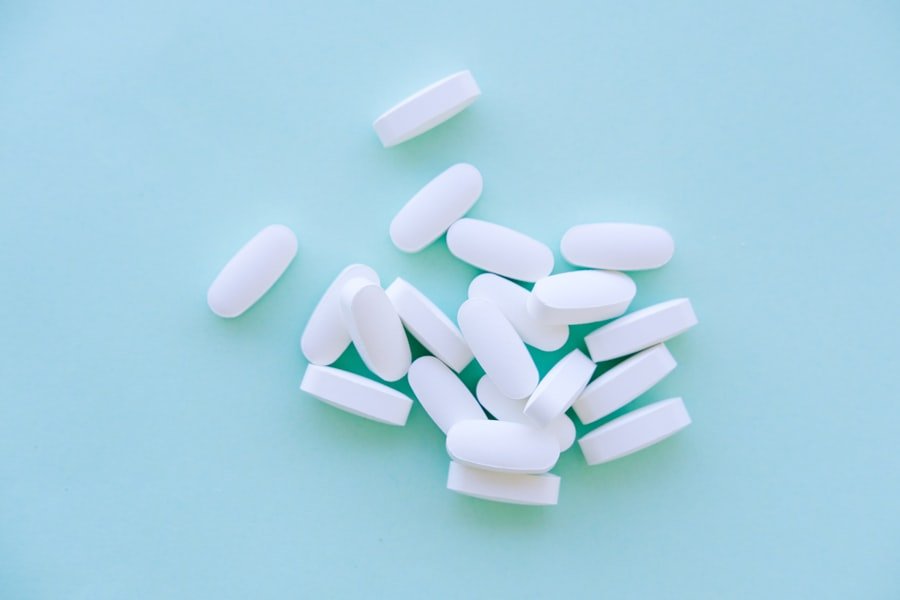
Photo Creatine

Maximizing Performance: The Role of Creatine in Sports

Creatine is a naturally occurring compound found in small amounts in certain foods, particularly animal products like meat and fish, and is also synthesized in the human body from amino acids, primarily in the liver, kidneys, and pancreas. It plays a crucial role in energy metabolism, particularly in the form of phosphocreatine, which serves as a rapid source of energy for high-intensity activities. When muscles contract during exercise, they utilize adenosine triphosphate (ATP) for energy.

However, ATP stores are limited and deplete quickly during intense physical activity. This is where creatine comes into play; it donates a phosphate group to adenosine diphosphate (ADP) to regenerate ATP, thus providing a quick energy boost that can enhance performance during short bursts of activity. The mechanism of action of creatine is not limited to energy production alone.

It also influences cellular hydration and muscle cell signaling pathways. By increasing the water content within muscle cells, creatine can promote an anabolic environment conducive to muscle growth. Additionally, creatine has been shown to affect the expression of genes involved in muscle hypertrophy and repair, further contributing to its reputation as a powerful ergogenic aid.

The combination of these physiological effects makes creatine a popular supplement among athletes and fitness enthusiasts seeking to improve their performance and recovery.

Key Takeaways

  • Creatine is a naturally occurring compound in the body that helps produce energy during high-intensity exercise.
  • Creatine supplementation can improve strength, power, and endurance in athletes, leading to enhanced athletic performance.
  • The science behind creatine lies in its ability to increase the production of adenosine triphosphate (ATP), the primary energy source for muscle contractions.
  • Proper creatine loading and maintenance involves an initial phase of higher dosage followed by a maintenance phase to maximize its effectiveness.
  • While creatine supplementation is generally safe, potential side effects may include dehydration, muscle cramps, and gastrointestinal issues.

The Benefits of Creatine Supplementation for Athletes: Improving Strength, Power, and Endurance

Athletes across various disciplines have turned to creatine supplementation to enhance their performance metrics significantly. One of the most well-documented benefits of creatine is its ability to improve strength and power output. Research has consistently shown that individuals who supplement with creatine can lift heavier weights and perform more repetitions during resistance training compared to those who do not.

This increase in strength can be attributed to the enhanced availability of ATP during high-intensity efforts, allowing athletes to push their limits further than they could without supplementation. In addition to strength gains, creatine has been shown to improve performance in high-intensity interval training (HIIT) and sprinting activities. For instance, studies have indicated that athletes engaged in repeated sprint bouts experience less fatigue and maintain higher power outputs when supplemented with creatine.

This is particularly beneficial for sports that require short bursts of maximal effort interspersed with brief recovery periods, such as soccer, basketball, and track events. Furthermore, while creatine is often associated with anaerobic performance, emerging evidence suggests that it may also have a positive impact on endurance activities by enhancing recovery between bouts of high-intensity exercise.

The Science Behind Creatine: How Does it Enhance Athletic Performance?

Photo creatine supplementation
A group of white oblong tablets scattered on a light blue surface.

The enhancement of athletic performance through creatine supplementation can be understood through several interconnected physiological mechanisms. At the core of its efficacy is the role of phosphocreatine in ATP regeneration. During high-intensity exercise, the demand for ATP increases dramatically, and phosphocreatine serves as a rapid source of phosphate to replenish ATP levels.

This replenishment allows athletes to sustain higher levels of exertion for longer periods, ultimately leading to improved performance outcomes. Moreover, creatine supplementation has been shown to increase muscle mass through several pathways. One significant mechanism involves the stimulation of satellite cells, which are essential for muscle repair and growth.

When muscle fibers undergo stress during exercise, satellite cells are activated and proliferate, leading to muscle hypertrophy. Creatine also influences the mTOR pathway, a critical regulator of cell growth and protein synthesis. By activating this pathway, creatine promotes an environment conducive to muscle growth and recovery.

Additionally, creatine may enhance glycogen storage within muscles, providing an additional energy reserve that can be tapped into during prolonged exercise.

Creatine Loading and Maintenance: How to Properly Use Creatine for Maximum Effectiveness

PhaseDosageDuration
Loading Phase20 grams per day5-7 days
Maintenance Phase3-5 grams per dayOngoing
HydrationDrink plenty of waterThroughout
TimingTake before or after workout–

To maximize the benefits of creatine supplementation, understanding the concepts of loading and maintenance phases is essential. The loading phase typically involves consuming a higher dose of creatine—usually around 20 grams per day—divided into four smaller doses over five to seven days. This approach saturates the muscles with creatine more quickly than if one were to take a lower dose from the outset.

Following this initial phase, athletes transition into a maintenance phase where they consume a lower daily dose, typically around 3 to 5 grams per day, to maintain elevated muscle creatine levels. It is important for athletes to consider their individual needs when determining their supplementation strategy. Factors such as body weight, training intensity, and specific performance goals can influence the optimal dosage and duration of both loading and maintenance phases.

Additionally, timing can play a role; some research suggests that taking creatine post-workout may enhance its uptake by muscle cells due to increased insulin sensitivity following exercise. Combining creatine with carbohydrates or protein may further enhance its effectiveness by promoting insulin release, which facilitates greater absorption into muscle tissue.

Potential Side Effects and Safety Concerns of Creatine Supplementation

While creatine is generally considered safe for most individuals when used appropriately, some potential side effects warrant consideration. The most commonly reported side effect is gastrointestinal discomfort, which can manifest as bloating, cramping, or diarrhea, particularly during the loading phase when higher doses are consumed. To mitigate these effects, it may be beneficial for individuals to start with a lower dose and gradually increase it or opt for a maintenance dose without an initial loading phase.

Another concern often raised about creatine supplementation is its impact on kidney function. While there have been anecdotal reports linking creatine use to kidney issues, extensive research has not substantiated these claims in healthy individuals. However, those with pre-existing kidney conditions should exercise caution and consult with a healthcare professional before starting supplementation.

Additionally, hydration is crucial when using creatine; since it draws water into muscle cells, adequate fluid intake is necessary to prevent dehydration and support overall health.

Creatine and Different Sports: How Does Creatine Benefit Athletes in Various Disciplines?

silhouettes playing beach volleyball at sunset
Silhouettes of people playing beach volleyball at sunset, with one player jumping to spike the ball over the net, showcasing impressive sports performance and maximizing performance under the golden sky.

Creatine supplementation has been shown to benefit athletes across a wide range of sports due to its versatile effects on performance. In strength sports such as powerlifting and bodybuilding, creatine is often regarded as a staple supplement because it enhances strength gains and promotes muscle hypertrophy. Athletes in these disciplines frequently report improved lifting capacity and faster recovery between sets when using creatine.

In team sports like soccer and basketball, where explosive movements and repeated sprints are common, creatine can provide a competitive edge by improving power output and reducing fatigue during high-intensity efforts. Studies have demonstrated that soccer players who supplement with creatine can maintain sprint performance better throughout a match compared to those who do not use it. Similarly, basketball players may experience enhanced vertical jump performance and agility when incorporating creatine into their training regimen.

Endurance athletes have also begun exploring the potential benefits of creatine supplementation. While traditionally viewed as an anaerobic enhancer, recent research suggests that creatine may aid in recovery between intense training sessions or races by replenishing glycogen stores more effectively. This could lead to improved overall training volume and performance over time.

Combining Creatine with Other Supplements and Nutritional Strategies for Optimal Performance

To maximize the benefits of creatine supplementation, many athletes explore combining it with other supplements or nutritional strategies tailored to their specific goals. One common approach is pairing creatine with carbohydrates or protein post-workout. The insulin response triggered by carbohydrate consumption can enhance the uptake of creatine into muscle cells, thereby increasing its effectiveness.

Some studies suggest that combining creatine with whey protein may further amplify muscle protein synthesis following resistance training. Additionally, certain amino acids like beta-alanine have gained popularity among athletes looking to enhance their performance alongside creatine. Beta-alanine works by increasing carnosine levels in muscles, which helps buffer acid buildup during high-intensity exercise.

When used together with creatine, these two supplements may provide synergistic effects that improve overall performance during strenuous workouts. Hydration strategies are also critical when using creatine; ensuring adequate fluid intake supports optimal muscle function and recovery. Athletes should consider their individual sweat rates and adjust their hydration strategies accordingly while using creatine to prevent dehydration-related issues.

The Future of Creatine Research: What New Discoveries and Applications are on the Horizon?

As research on creatine continues to evolve, new discoveries are emerging that may expand its applications beyond traditional athletic performance enhancement. Recent studies have begun exploring the potential neuroprotective effects of creatine supplementation in various neurological conditions such as Parkinson’s disease and amyotrophic lateral sclerosis (ALS). Preliminary findings suggest that creatine may help protect against neuronal damage by supporting cellular energy metabolism.

Furthermore, researchers are investigating the role of creatine in aging populations. As individuals age, muscle mass naturally declines—a condition known as sarcopenia—which can lead to decreased strength and mobility. Some studies indicate that creatine supplementation may help mitigate age-related muscle loss by promoting muscle protein synthesis and enhancing physical function in older adults.

The exploration of different forms of creatine is also an area of active research; while creatine monohydrate remains the most studied form due to its proven efficacy and safety profile, alternative formulations such as buffered creatine or creatine ethyl ester are being examined for their potential benefits in terms of absorption rates or reduced gastrointestinal side effects. As our understanding of creatine deepens through ongoing research efforts, it is likely that new applications will emerge that could benefit not only athletes but also individuals seeking improved health outcomes across various populations.

Creatine is a popular supplement among athletes and fitness enthusiasts due to its potential to enhance performance, particularly in high-intensity sports. It is known to improve strength, increase lean muscle mass, and aid in quicker recovery during exercise. For those interested in exploring more about the role of creatine in sports performance, a related article can be found on the PXloud blog. This article delves into the science behind creatine supplementation and its effects on athletic performance. You can read more about it by visiting the PXloud blog.

Photo Creatine

The Science of Creatine and Muscle Building

Creatine is a naturally occurring compound found in small amounts in certain foods, particularly in animal products like meat and fish. It is synthesized in the body from the amino acids glycine and arginine, primarily in the liver, kidneys, and pancreas. Once produced, creatine is transported through the bloodstream to various tissues, with a significant portion being stored in skeletal muscle as phosphocreatine.

This stored form of creatine plays a crucial role in the energy production process, particularly during high-intensity, short-duration activities such as sprinting or weightlifting. The primary mechanism by which creatine functions in the body is through its involvement in the adenosine triphosphate (ATP) energy system. ATP is the energy currency of the cell, and its rapid regeneration is essential for maintaining performance during intense physical activity.

When ATP is broken down to release energy, it converts to adenosine diphosphate (ADP). Phosphocreatine donates a phosphate group to ADP, rapidly converting it back into ATP. This process allows for sustained energy production during short bursts of high-intensity exercise, making creatine a vital component for athletes and individuals engaged in resistance training.

Key Takeaways

  • Creatine is a naturally occurring compound in the body that plays a key role in energy production during high-intensity exercise.
  • Creatine supplementation has been shown to increase muscle mass, strength, and exercise performance, making it a popular choice for athletes and fitness enthusiasts.
  • Scientific research supports the use of creatine supplementation as a safe and effective way to enhance athletic performance and muscle building.
  • While creatine supplementation has numerous benefits, it is important to be aware of potential risks such as dehydration and gastrointestinal issues.
  • Creatine loading phase involves taking higher doses initially to saturate the muscles, followed by a maintenance phase with lower doses to sustain the benefits.

The Role of Creatine in Muscle Building and Performance

Creatine supplementation has gained immense popularity among athletes and fitness enthusiasts due to its well-documented effects on muscle building and performance enhancement. One of the primary ways creatine contributes to muscle growth is by increasing the availability of ATP during workouts. With more ATP readily available, individuals can perform more repetitions or sustain higher levels of intensity during their training sessions.

This increased workload can lead to greater muscle hypertrophy over time, as the muscles are subjected to more significant stress and stimulus for growth. Moreover, creatine has been shown to promote an increase in water retention within muscle cells, a phenomenon known as cell volumization. This process not only contributes to a temporary increase in muscle size but may also play a role in signaling pathways that promote muscle protein synthesis.

The enhanced hydration of muscle cells can create an anabolic environment conducive to growth, further supporting the muscle-building process. Additionally, creatine has been linked to improved recovery times between sets, allowing athletes to train harder and more frequently, ultimately leading to better performance outcomes.

The Science Behind Creatine Supplementation

Close-up of white capsules in a black bowl on a marble surface, symbolizing healthcare and medication.
A black bowl filled with several white capsules sits on a white marble surface, representing the essentials of creatine and muscle building: the science behind it.

Numerous studies have investigated the effects of creatine supplementation on athletic performance and muscle growth. Research consistently demonstrates that creatine can enhance strength, power output, and overall exercise performance. For instance, a meta-analysis published in the Journal of Sports Medicine found that creatine supplementation significantly improved maximal strength and power in resistance training exercises across various populations.

The findings suggest that creatine is effective not only for elite athletes but also for recreational lifters seeking to enhance their training outcomes. The biochemical mechanisms underlying these benefits are well understood. Creatine supplementation increases the intramuscular stores of phosphocreatine, which directly correlates with improved ATP resynthesis during high-intensity exercise.

Furthermore, creatine has been shown to influence several cellular signaling pathways involved in muscle growth, including the mTOR pathway, which plays a critical role in regulating protein synthesis. By activating mTOR, creatine may enhance the anabolic response to resistance training, leading to greater gains in muscle mass over time.

The Benefits and Risks of Creatine Supplementation

BenefitsRisks
Increased muscle massDehydration
Improved exercise performanceKidney damage
Enhanced recoveryDigestive issues
Brain health benefitsWeight gain

While creatine supplementation offers numerous benefits, it is essential to consider potential risks and side effects associated with its use. The most commonly reported side effect is gastrointestinal discomfort, which can include symptoms such as bloating, cramping, or diarrhea. These issues are often dose-dependent and can be mitigated by starting with lower doses or ensuring adequate hydration during supplementation.

Another concern that has been raised regarding creatine use is its potential impact on kidney function. However, extensive research has shown that creatine supplementation does not adversely affect kidney health in healthy individuals. In fact, studies have indicated that creatine may even have protective effects on kidney function under certain conditions.

Nevertheless, individuals with pre-existing kidney conditions should consult a healthcare professional before starting any supplementation regimen. Overall, when used appropriately and under guidance, creatine is considered safe for most individuals and can provide significant benefits for athletic performance and muscle growth.

Creatine Loading and Maintenance Phases

To maximize the benefits of creatine supplementation, many athletes follow a loading phase followed by a maintenance phase. The loading phase typically involves consuming a higher dose of creatine—usually around 20 grams per day—divided into four smaller doses over five to seven days. This approach rapidly saturates the muscles with creatine, allowing individuals to experience its benefits more quickly.

After the loading phase, a maintenance dose of approximately 3 to 5 grams per day is recommended to maintain elevated creatine levels in the muscles. This maintenance phase can be continued for extended periods without significant adverse effects. Some individuals may choose to skip the loading phase altogether and simply start with the maintenance dose; while this approach may take longer to achieve full saturation of muscle creatine stores, it can still be effective over time.

Creatine and its Effect on Muscle Protein Synthesis

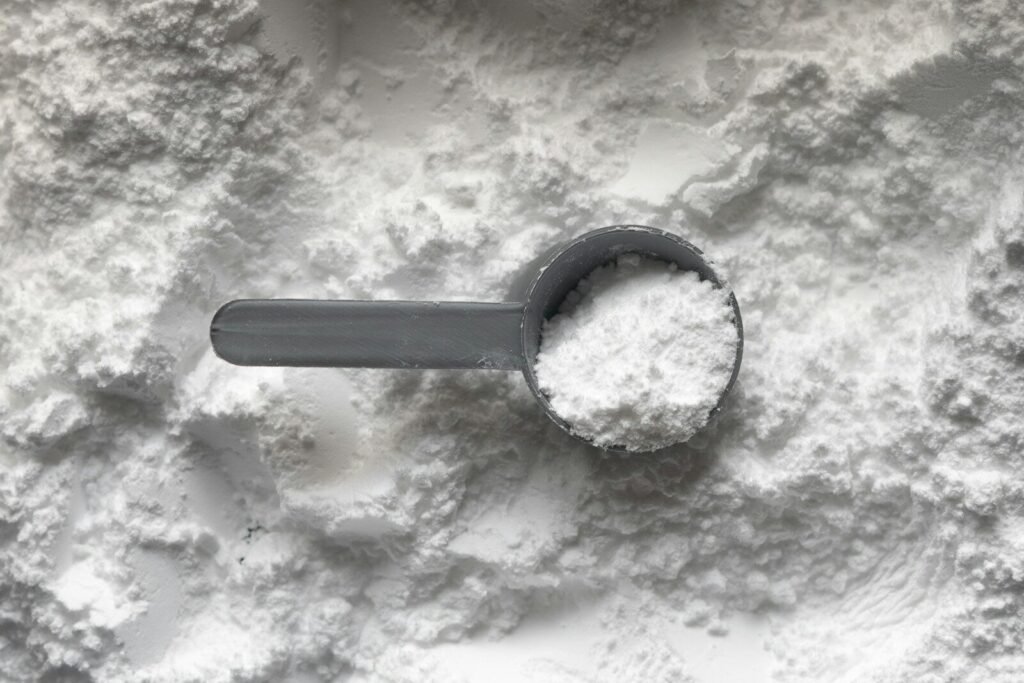
A grey plastic scoop filled with white powder resting on a pile of powder
A gray plastic scoop filled with white powder rests on a surface covered in the same powder, viewed from above—a common sight for those interested in creatine and muscle building: the science behind it.

The relationship between creatine supplementation and muscle protein synthesis (MPS) is an area of active research that has garnered considerable interest among scientists and fitness professionals alike. MPS is a critical process for muscle repair and growth following resistance training. Creatine appears to enhance MPS through several mechanisms, including its role in increasing cellular hydration and promoting anabolic signaling pathways.

One study published in the American Journal of Physiology found that creatine supplementation significantly increased MPS rates following resistance exercise compared to a placebo group. This effect was attributed to enhanced activation of the mTOR pathway, which is essential for initiating protein synthesis in response to mechanical loading on muscles. By facilitating greater MPS rates, creatine may help individuals recover more effectively from workouts while also promoting greater gains in muscle mass over time.

Creatine and its Impact on Exercise Recovery

Recovery is a crucial aspect of any training regimen, as it allows muscles to repair and adapt after intense workouts. Creatine supplementation has been shown to positively influence recovery processes following exercise-induced muscle damage. One mechanism by which creatine aids recovery is through its ability to reduce inflammation and oxidative stress in muscle tissues.

Research indicates that creatine can help mitigate markers of muscle damage following strenuous exercise. For example, a study published in the Journal of Strength and Conditioning Research found that participants who supplemented with creatine experienced lower levels of creatine kinase—a biomarker associated with muscle damage—compared to those who did not supplement. Additionally, creatine may enhance glycogen resynthesis post-exercise, further supporting recovery efforts by replenishing energy stores more efficiently.

The Future of Creatine Research and its Potential Applications

As research on creatine continues to evolve, new potential applications for this compound are emerging beyond traditional athletic performance enhancement. Recent studies have explored the neuroprotective effects of creatine supplementation in various neurological conditions such as Parkinson’s disease and amyotrophic lateral sclerosis (ALS). Preliminary findings suggest that creatine may help protect against neuronal degeneration by providing additional energy support during periods of metabolic stress.

Furthermore, ongoing research is investigating the potential benefits of creatine for aging populations. As individuals age, muscle mass naturally declines—a condition known as sarcopenia—which can lead to decreased strength and mobility. Some studies have indicated that creatine supplementation may help counteract these effects by promoting muscle mass retention and improving functional performance in older adults.

In conclusion, while much is already known about creatine’s role in enhancing athletic performance and muscle growth, ongoing research continues to uncover new insights into its broader applications across various fields of health and wellness. As scientists delve deeper into the mechanisms underlying creatine’s effects on both skeletal muscle and other tissues, it is likely that we will see an expansion of its use beyond sports nutrition into therapeutic contexts that could benefit diverse populations.

Creatine is a popular supplement among athletes and bodybuilders due to its proven benefits in enhancing muscle mass and improving exercise performance. The science behind creatine’s effectiveness lies in its ability to increase phosphocreatine stores in muscles, which in turn helps produce more ATP, the primary energy carrier in cells. For those interested in exploring more about the role of supplements in muscle building, you might find this related article insightful. It delves into various supplements and their impact on muscle growth, providing a comprehensive understanding of how they can be integrated into a fitness regimen.

Select the fields to be shown. Others will be hidden. Drag and drop to rearrange the order.
  • Image
  • SKU
  • Rating
  • Price
  • Stock
  • Availability
  • Add to cart
  • Description
  • Content
  • Weight
  • Dimensions
  • Additional information
Click outside to hide the comparison bar
Compare
Shopping cart close