
Free standard shipping for orders over $65.
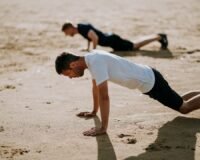
Photo Beach workout

Summer Fitness: Stay Active with Outdoor Workouts

Engaging in outdoor workouts offers a plethora of benefits that extend beyond mere physical fitness. One of the most significant advantages is the mental health boost that comes from exercising in natural environments. Studies have shown that spending time outdoors can reduce stress, anxiety, and depression.

The sights and sounds of nature, such as rustling leaves or chirping birds, can create a calming atmosphere that enhances mood and promotes a sense of well-being. This connection to nature, often referred to as “green exercise,” has been linked to improved cognitive function and increased feelings of happiness. Moreover, outdoor workouts can provide a more varied and stimulating environment compared to indoor gyms.

The changing scenery, fresh air, and natural light can make exercise feel less monotonous and more enjoyable. This variety not only keeps individuals engaged but also challenges the body in different ways. For instance, running on a trail may involve navigating uneven terrain, which can improve balance and coordination.

Additionally, outdoor workouts often encourage social interaction, whether through group classes in parks or informal meet-ups with friends for a jog. This social aspect can enhance motivation and accountability, making it easier to stick to fitness goals.

Key Takeaways

  • Outdoor workouts provide fresh air, vitamin D, and a change of scenery, which can boost mood and energy levels.
  • Outdoor workout ideas for summer include hiking, swimming, cycling, and outdoor yoga or boot camp classes.
  • Safety tips for exercising outdoors in the summer include staying hydrated, wearing sunscreen, and choosing the right time of day to avoid extreme heat.
  • To stay hydrated during outdoor workouts, drink plenty of water before, during, and after exercise, and consider electrolyte-replenishing drinks for longer sessions.
  • Incorporating nature into your fitness routine can involve trail running, outdoor circuit training, or simply taking your yoga practice to a park or beach.

Outdoor Workout Ideas for Summer

As summer approaches, the opportunities for outdoor workouts expand significantly. One popular option is hiking, which allows individuals to explore local trails while enjoying the beauty of nature. Hiking can be tailored to various fitness levels, from leisurely walks on flat paths to challenging climbs that test endurance and strength.

Many parks and nature reserves offer guided hikes, providing an excellent way to learn about local flora and fauna while getting a workout. Another exciting outdoor workout idea is cycling. Whether on a stationary bike at a park or riding along scenic routes, cycling is an effective cardiovascular exercise that can be enjoyed solo or with friends.

Many cities have dedicated bike paths that make it easy to explore urban areas while getting fit. For those looking for a more intense workout, mountain biking offers an adrenaline rush as riders navigate rugged trails and steep inclines. Additionally, outdoor boot camps have gained popularity, combining strength training with cardio exercises in a group setting.

These classes often utilize park benches, stairs, and open spaces to create dynamic workouts that build strength and endurance.

Safety Tips for Exercising Outdoors in the Summer

Photo Beach workout

While outdoor workouts can be invigorating, it is essential to prioritize safety during the summer months. One of the primary concerns is heat-related illnesses, which can occur when exercising in high temperatures. To mitigate this risk, it is advisable to schedule workouts during cooler parts of the day, such as early morning or late evening.

Additionally, wearing lightweight, breathable clothing can help regulate body temperature and prevent overheating. Another critical safety consideration is being aware of the environment. When exercising outdoors, it is vital to stay vigilant about potential hazards such as uneven terrain, wildlife encounters, or sudden weather changes.

Carrying a fully charged mobile phone can be beneficial in case of emergencies. Furthermore, informing someone about your workout route and expected return time adds an extra layer of safety. Lastly, listening to your body is crucial; if you feel dizzy or excessively fatigued, it’s important to stop exercising and seek shade or hydration.

How to Stay Hydrated During Outdoor Workouts

Hydration Tip Explanation
Drink water before, during, and after Helps maintain fluid balance and prevent dehydration
Use electrolyte drinks Replenishes electrolytes lost through sweat
Avoid sugary drinks Can lead to dehydration and energy crashes
Monitor urine color Light yellow indicates proper hydration
Take breaks in the shade Reduces risk of overheating and dehydration

Hydration is paramount when engaging in outdoor workouts, especially during the hot summer months. The body loses fluids through sweat, and failing to replenish these lost fluids can lead to dehydration, which negatively impacts performance and overall health. To maintain optimal hydration levels, it is essential to drink water before, during, and after exercise.

A general guideline is to consume at least 16-20 ounces of water two hours before working out and continue sipping water throughout the session. In addition to plain water, incorporating electrolyte-rich beverages can be beneficial for longer workouts or intense activities. Sports drinks or coconut water can help replenish lost electrolytes such as sodium and potassium, which are crucial for muscle function and preventing cramps.

For those who prefer a more natural approach, consuming fruits with high water content—such as watermelon or oranges—can also aid in hydration while providing essential vitamins and minerals. It’s important to recognize the signs of dehydration, which may include dry mouth, fatigue, or dizziness; being proactive about hydration can help prevent these issues.

Incorporating Nature into Your Fitness Routine

Integrating nature into your fitness routine not only enhances the workout experience but also fosters a deeper connection with the environment. One effective way to do this is by choosing workout locations that are rich in natural beauty—such as parks, beaches, or botanical gardens—where the scenery can serve as motivation and inspiration. For instance, practicing yoga on a grassy knoll surrounded by trees can create a serene atmosphere that enhances mindfulness and relaxation.

Another approach is to incorporate natural elements into workouts themselves. For example, using logs or rocks as makeshift weights during strength training can add an element of creativity while also challenging the body in new ways. Trail running offers another opportunity to engage with nature; navigating through wooded paths or along riverbanks not only provides a cardiovascular workout but also allows individuals to appreciate their surroundings fully.

Additionally, participating in outdoor group activities like community clean-up events combines physical activity with environmental stewardship, promoting both fitness and ecological awareness.

The Importance of Sun Protection While Exercising Outdoors

Photo Beach workout

While enjoying outdoor workouts during summer is invigorating, it is crucial to prioritize sun protection to prevent harmful effects from UV radiation. Prolonged exposure to the sun can lead to sunburns and increase the risk of skin cancer over time. To safeguard against these risks, applying a broad-spectrum sunscreen with an SPF of at least 30 is essential before heading outdoors.

It’s important to reapply sunscreen every two hours or immediately after swimming or excessive sweating. In addition to sunscreen, wearing protective clothing can further shield the skin from harmful rays. Lightweight long-sleeved shirts and pants made from breathable fabrics can provide coverage without causing overheating.

A wide-brimmed hat and UV-blocking sunglasses are also effective accessories that protect the face and eyes from direct sunlight. Seeking shade during peak sun hours—typically between 10 a.m. and 4 p.m.—can significantly reduce exposure while still allowing for enjoyable outdoor activities.

Outdoor Workout Gear Essentials

Having the right gear is vital for maximizing comfort and performance during outdoor workouts. Footwear is perhaps the most critical component; investing in high-quality athletic shoes designed for specific activities—such as trail running shoes for hiking or cycling shoes for biking—can enhance stability and reduce the risk of injury. Proper footwear provides adequate support and cushioning for various terrains encountered during outdoor exercises.

In addition to footwear, other gear essentials include moisture-wicking clothing that helps regulate body temperature by drawing sweat away from the skin. A lightweight backpack can be useful for carrying water bottles, snacks, and other necessities while on the go. For those who enjoy outdoor yoga or stretching sessions, a portable mat provides comfort on uneven surfaces.

Finally, accessories such as fitness trackers or smartwatches can help monitor heart rate and distance traveled, adding an element of technology that enhances workout efficiency.

Finding Motivation to Stay Active During the Summer

Maintaining motivation during the summer months can be challenging due to distractions like vacations or social events; however, there are several strategies to stay committed to fitness goals. Setting specific and achievable goals can provide direction and purpose for outdoor workouts. For instance, aiming to complete a certain number of hikes or runs each month creates accountability while allowing individuals to track their progress.

Additionally, finding a workout buddy can significantly enhance motivation levels. Exercising with friends not only makes workouts more enjoyable but also fosters a sense of camaraderie that encourages consistency. Joining local fitness groups or classes can also provide structure and community support; many parks offer free outdoor classes during summer months that cater to various fitness levels.

Lastly, embracing variety by trying new activities—such as paddleboarding or rock climbing—can reignite enthusiasm for fitness while exploring new interests in the great outdoors.


Photo Beach workout

Summer-Ready Abs: The Ultimate Workout

Core strength is often touted as the foundation of physical fitness, and for good reason. The core encompasses not just the abdominal muscles, but also the muscles in the lower back, hips, and pelvis. This interconnected group of muscles plays a crucial role in stabilizing the body during movement, maintaining proper posture, and supporting overall functional strength.

A strong core enhances athletic performance, improves balance, and reduces the risk of injury. For instance, athletes in sports such as gymnastics or football rely heavily on core strength to execute complex movements and maintain stability during high-intensity activities. Moreover, core strength is essential for everyday activities.

Simple tasks like lifting heavy objects, bending down to tie your shoes, or even sitting at a desk for extended periods require a stable core. Weak core muscles can lead to poor posture and increased strain on the spine, which may result in chronic pain or discomfort. By focusing on core strength, individuals can improve their overall quality of life, making daily tasks easier and more efficient.

Additionally, a strong core can enhance one’s ability to engage in various physical activities, from running to swimming, thereby promoting a more active lifestyle.

Key Takeaways

  • Core strength is essential for overall stability and preventing injury
  • Targeted exercises like planks, crunches, and leg raises can help sculpt and define abs
  • Incorporating cardio exercises like running, cycling, or swimming can aid in fat loss and revealing abs
  • Nutrition tips such as eating lean protein, healthy fats, and plenty of fruits and vegetables can help achieve a leaner midsection
  • Rest and recovery are crucial for allowing muscles to repair and grow, and avoiding overtraining injuries

Targeted Exercises for Sculpting Abs

Building Core Strength with Planks

By holding a plank position, individuals engage not only their abdominal muscles but also their shoulders, back, and glutes. Variations such as side planks or plank jacks can further challenge the core and add variety to a workout routine.

Targeting the Core with Bicycle Crunches

Another excellent exercise for sculpting abs is the bicycle crunch. This dynamic movement targets the rectus abdominis and obliques simultaneously, promoting a well-rounded approach to abdominal training. To perform a bicycle crunch, lie on your back with your hands behind your head and legs lifted at a 90-degree angle. As you bring one knee toward your chest, twist your torso to bring the opposite elbow toward that knee.

Achieving Noticeable Results

Incorporating these targeted exercises into a regular workout routine can lead to noticeable improvements in abdominal strength and definition over time.

Incorporating Cardio for Fat Loss

Photo Beach workout

While targeted exercises are essential for building muscle in the abdominal area, incorporating cardiovascular exercise is crucial for fat loss. Cardio workouts elevate the heart rate and increase calorie expenditure, which is vital for reducing body fat and revealing toned abs. Activities such as running, cycling, swimming, or even brisk walking can significantly contribute to overall fat loss when performed consistently.

For example, high-intensity interval training (HIIT) has gained popularity for its efficiency in burning calories in a short amount of time. HIIT involves alternating between short bursts of intense activity and periods of rest or lower-intensity exercise. In addition to traditional cardio workouts, incorporating functional movements that engage the core can enhance fat loss efforts.

Exercises like burpees or mountain climbers not only provide cardiovascular benefits but also challenge the core muscles simultaneously. This dual approach maximizes calorie burn while strengthening the abdominal area. By combining targeted ab exercises with regular cardio sessions, individuals can create a comprehensive fitness regimen that promotes both muscle definition and fat loss.

Nutrition Tips for a Leaner Midsection

Nutrition Tips for a Leaner Midsection
Eat more protein
Reduce refined carbs
Include healthy fats
Consume plenty of fiber
Avoid sugary drinks
Stay hydrated
Control portion sizes

Nutrition plays a pivotal role in achieving a leaner midsection. To effectively reduce body fat and reveal sculpted abs, individuals must focus on their dietary choices. A balanced diet rich in whole foods—such as fruits, vegetables, lean proteins, whole grains, and healthy fats—can support overall health while aiding in fat loss.

For instance, incorporating foods high in fiber can help regulate digestion and promote satiety, reducing the likelihood of overeating. Foods like oats, legumes, and leafy greens are excellent sources of fiber that can contribute to a feeling of fullness. Additionally, staying hydrated is essential for optimal metabolic function and can aid in weight management.

Drinking plenty of water throughout the day helps maintain energy levels and supports bodily functions. It’s also important to be mindful of portion sizes and avoid excessive consumption of processed foods high in sugar and unhealthy fats. These foods can contribute to weight gain and hinder progress toward achieving a leaner midsection.

By prioritizing nutrient-dense foods and maintaining proper hydration, individuals can create an environment conducive to fat loss and muscle definition.

The Role of Rest and Recovery

Rest and recovery are often overlooked components of any fitness regimen but are crucial for achieving optimal results. When individuals engage in intense workouts targeting the core or any other muscle group, they create micro-tears in the muscle fibers. It is during the recovery phase that these muscles repair and grow stronger.

Without adequate rest, individuals may experience fatigue or burnout, which can hinder progress and increase the risk of injury. Incorporating rest days into a workout routine allows the body to recover effectively. This doesn’t necessarily mean complete inactivity; active recovery activities such as gentle yoga or light walking can promote blood flow and aid in muscle recovery without placing excessive strain on the body.

Additionally, prioritizing sleep is vital for recovery as it allows the body to repair itself at a cellular level. Aim for 7-9 hours of quality sleep each night to support overall health and fitness goals. By recognizing the importance of rest and recovery, individuals can enhance their performance during workouts and achieve better results over time.

Avoiding Common Mistakes in Ab Workouts

Photo Beach workout

Protecting the Lower Back

This not only maximizes the effectiveness of the exercise but also protects the lower back from strain.

Overtraining and Fatigue

Another common mistake is overtraining the abdominal muscles without allowing adequate recovery time. Many people believe that doing hundreds of crunches daily will lead to visible abs; however, this approach can lead to fatigue and diminish results over time.

Focusing on Quality

Instead, focusing on quality over quantity is crucial. Incorporating a variety of exercises that target different areas of the core while allowing sufficient rest between sessions will yield better results in terms of strength and definition.

Adding Variety to Your Ab Routine

To keep workouts engaging and effective, adding variety to an ab routine is essential. Performing the same exercises repeatedly can lead to plateaus in progress as the body adapts to the movements over time. Incorporating different types of exercises not only challenges the muscles but also keeps motivation high.

For instance, mixing static holds like planks with dynamic movements such as Russian twists or hanging leg raises can create a well-rounded routine that targets all areas of the core. Additionally, utilizing equipment such as stability balls or resistance bands can introduce new challenges to traditional exercises. For example, performing stability ball rollouts engages the core while also improving balance and coordination.

Resistance bands can be used for exercises like banded woodchoppers that target the obliques effectively. By continually introducing new movements and tools into an ab routine, individuals can prevent boredom while maximizing their results.

Setting Realistic Goals for Summer-Ready Abs

Setting realistic goals is crucial when working toward achieving summer-ready abs. Many individuals may feel pressure to attain visible abs quickly due to societal standards or seasonal trends; however, it’s important to approach fitness with a mindset focused on long-term health rather than short-term aesthetics. Establishing specific, measurable goals—such as increasing core strength or improving endurance—can provide motivation without leading to frustration.

Additionally, tracking progress through various metrics—such as improved performance in workouts or changes in body composition—can help individuals stay focused on their journey rather than solely fixating on appearance. It’s also beneficial to celebrate small victories along the way; whether it’s completing an extra set of an exercise or feeling more energized during workouts, acknowledging these achievements fosters a positive mindset toward fitness goals. By setting realistic expectations and focusing on overall well-being rather than just aesthetics, individuals can cultivate a sustainable approach to achieving their desired results while enjoying the process along the way.

Photo Fruit salad

Boost Your Health with Essential Summer Vitamins

As the sun shines brighter and the days grow longer, summer presents an opportune moment to focus on our health and well-being. The warm weather encourages outdoor activities, which can lead to increased exposure to sunlight and a greater need for specific nutrients that support our bodies during this vibrant season. Essential summer vitamins play a crucial role in maintaining energy levels, enhancing immune function, and promoting overall health.

Understanding these vitamins and their benefits can help individuals make informed dietary choices that align with their summer activities. During the summer months, our bodies may require different nutritional support due to increased physical activity, heat exposure, and changes in our eating habits. Fresh fruits and vegetables become more abundant, providing a natural source of essential vitamins.

By incorporating these nutrients into our diets, we can optimize our health and enjoy the season to its fullest. This article will delve into several key vitamins that are particularly beneficial during the summer, exploring their roles in our bodies and how we can easily include them in our daily routines.

Key Takeaways

  • Vitamin D is essential for bone health and can be obtained from sunlight exposure.
  • Vitamin C supports the immune system and can be found in fruits and vegetables.
  • Vitamin A is important for skin and eye health and can be found in foods like carrots and sweet potatoes.
  • Vitamin E acts as an antioxidant and can be found in nuts, seeds, and vegetable oils.
  • B vitamins help boost energy and metabolism and can be found in foods like whole grains and leafy greens.
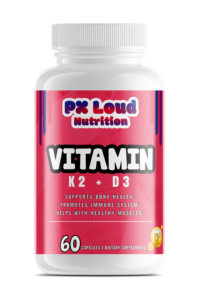
A bottle labeled "vitamin k3 +d3Vitamin K2 + D3" with 60 capsules; claims to support bone health, immune system, and muscle health.
A bottle labeled “PX Loud Nutrition Vitamin K2 + D3” with 60 capsules; claims to support bone health, immune system, and muscle health.

Vitamin D: The Sunshine Vitamin

Vitamin D is often referred to as the “sunshine vitamin” because our bodies synthesize it when exposed to sunlight. This vital nutrient plays a significant role in calcium absorption, which is essential for maintaining strong bones and teeth. During the summer months, when sunlight is plentiful, it becomes easier for individuals to meet their vitamin D needs through natural exposure.

However, factors such as geographic location, skin pigmentation, and sunscreen use can affect the amount of vitamin D synthesized by the body. In addition to its role in bone health, vitamin D is also crucial for immune function. Research has shown that adequate levels of vitamin D can help reduce the risk of respiratory infections and other illnesses, making it particularly important during the summer when people are more active and socializing outdoors.

Foods rich in vitamin D, such as fatty fish (like salmon and mackerel), fortified dairy products, and egg yolks, can also contribute to maintaining optimal levels. For those who may struggle to get enough sun exposure or dietary sources of vitamin D, supplements can be an effective alternative.

Vitamin C: Immune System Support

Photo Fruit salad

Vitamin C is renowned for its immune-boosting properties, making it an essential nutrient during the summer months when outdoor activities increase the likelihood of exposure to pathogens. This water-soluble vitamin is a powerful antioxidant that helps protect cells from damage caused by free radicals. It also plays a critical role in collagen synthesis, which is vital for skin health—a particularly important consideration during the summer when skin is exposed to sun and environmental stressors.

Fruits and vegetables are excellent sources of vitamin C, with citrus fruits like oranges, grapefruits, and lemons being among the most well-known. However, other fruits such as strawberries, kiwi, and papaya, as well as vegetables like bell peppers, broccoli, and spinach, are also rich in this essential nutrient. Incorporating a variety of these foods into your diet not only supports immune function but also promotes healthy skin and aids in wound healing.

Given the increased outdoor activities during summer, ensuring adequate vitamin C intake can help maintain overall health and vitality.

Vitamin A: Skin and Eye Health

Age Group Recommended Daily Amount Benefits
Infants 0-6 months 400 mcg Promotes healthy skin and good vision
Children 1-3 years 300 mcg Supports immune function and eye health
Adults 19 years and older 700-900 mcg Helps maintain healthy skin and supports vision

Vitamin A is another crucial nutrient that deserves attention during the summer months. This fat-soluble vitamin is essential for maintaining healthy vision, skin integrity, and immune function. It plays a vital role in the maintenance of epithelial tissues, which include the skin and mucous membranes.

With increased sun exposure during summer activities, ensuring adequate vitamin A intake can help protect the skin from damage and support its repair processes. Sources of vitamin A include both animal and plant-based foods. Animal sources such as liver, fish oils, and dairy products provide retinol, the active form of vitamin On the other hand, plant-based sources like carrots, sweet potatoes, spinach, and kale contain provitamin A carotenoids, which the body can convert into retinol.

Including a variety of these foods in your diet not only supports skin health but also contributes to overall well-being. Additionally, vitamin A is crucial for eye health; it helps maintain proper vision by supporting the function of retinal cells and preventing night blindness.

Vitamin E: Antioxidant Power

Vitamin E is a potent antioxidant that plays a significant role in protecting cells from oxidative stress caused by free radicals. This fat-soluble vitamin is particularly important during the summer months when increased sun exposure can lead to higher levels of oxidative damage in the body. By neutralizing free radicals, vitamin E helps maintain cellular integrity and supports overall health.

Nuts and seeds are among the richest sources of vitamin E; almonds, sunflower seeds, and hazelnuts are particularly high in this nutrient. Additionally, vegetable oils such as sunflower oil and olive oil are excellent sources of vitamin E. Incorporating these foods into your diet not only provides antioxidant protection but also contributes to healthy skin by reducing inflammation and promoting healing.

Furthermore, vitamin E has been linked to improved immune function and cardiovascular health, making it an essential nutrient for those looking to stay active during the summer months.

B Vitamins: Energy and Metabolism Boosters

Photo Fruit salad

Food Sources of B Vitamins

Whole grains, legumes, nuts, seeds, eggs, and dairy products are excellent sources of B vitamins. For instance, whole grains like brown rice and quinoa provide B1 and B3, while leafy greens are rich in folate (B9). Incorporating a variety of these foods into your diet can help maintain energy levels throughout the day and support metabolic processes that are crucial for active lifestyles.

The Importance of B Vitamins for Brain Health

Additionally, B vitamins are known to play a role in brain health; they contribute to cognitive function and mood regulation—factors that can enhance overall enjoyment of summer activities.

Boosting Energy Levels with B Vitamins

During the summer months when physical activity levels often increase, ensuring adequate intake of B vitamins becomes even more important.

Vitamin K: Bone Health and Blood Clotting

Vitamin K is often overlooked but is essential for maintaining bone health and proper blood clotting. This fat-soluble vitamin exists in two primary forms: K1 (phylloquinone), found mainly in green leafy vegetables, and K2 (menaquinone), which is found in fermented foods and animal products. During the summer months when fresh produce is abundant, it becomes easier to incorporate vitamin K-rich foods into your diet.

Research has shown that adequate vitamin K intake is associated with improved bone mineral density and a reduced risk of fractures. Green leafy vegetables such as kale, spinach, collard greens, and broccoli are excellent sources of vitamin K1. Fermented foods like natto (a traditional Japanese dish made from fermented soybeans) provide a rich source of vitamin K2.

Including these foods in your diet not only supports bone health but also plays a critical role in blood coagulation processes—ensuring that wounds heal properly after injuries sustained during outdoor activities.

Incorporating Essential Summer Vitamins into Your Diet

As we embrace the joys of summer—whether it’s lounging by the pool or hiking through nature—it’s essential to pay attention to our nutritional needs. The vitamins discussed above play vital roles in supporting our health during this vibrant season. By focusing on a diet rich in fruits, vegetables, whole grains, nuts, seeds, and lean proteins, we can ensure that we meet our body’s requirements for these essential nutrients.

Planning meals around seasonal produce not only enhances flavor but also maximizes nutritional benefits. For example, creating colorful salads with fresh greens rich in vitamins A and K or enjoying smoothies packed with berries high in vitamin C can be both delicious and nutritious choices. As we prioritize our health this summer, understanding the importance of these essential vitamins will empower us to make informed dietary decisions that support our active lifestyles while enjoying all that this beautiful season has to offer.

Select the fields to be shown. Others will be hidden. Drag and drop to rearrange the order.
  • Image
  • SKU
  • Rating
  • Price
  • Stock
  • Availability
  • Add to cart
  • Description
  • Content
  • Weight
  • Dimensions
  • Additional information
Click outside to hide the comparison bar
Compare
Shopping cart close